|
Call and Response ͏ ͏ ͏ ͏ ͏ ͏ ͏ ͏ ͏ ͏ ͏ ͏ ͏ ͏ ͏ ͏ ͏ ͏ ͏ ͏ ͏ ͏ ͏ ͏ ͏ ͏ ͏ ͏ ͏ ͏ ͏ ͏ ͏ ͏ ͏ ͏ ͏ ͏ ͏ ͏ ͏ ͏ ͏ ͏ ͏ ͏ ͏ ͏ ͏ ͏ ͏ ͏ ͏ ͏ ͏ ͏ ͏ ͏ ͏ ͏ ͏ ͏ ͏ ͏ ͏ ͏ ͏ ͏ ͏ ͏ ͏ ͏ ͏ ͏ ͏ ͏ ͏ ͏ ͏ ͏ ͏ ͏ ͏ ͏ ͏ ͏ ͏ ͏ ͏ ͏ ͏ ͏ ͏ ͏ ͏ ͏ ͏ ͏ ͏ ͏ ͏ ͏ ͏ ͏ ͏ ͏ ͏ ͏ ͏ ͏ ͏ ͏ ͏ ͏ ͏ ͏ ͏ ͏ ͏ ͏ ͏ ͏ ͏ ͏ ͏ ͏ ͏ ͏ ͏ ͏ ͏ ͏ ͏ ͏ ͏ ͏ ͏ ͏ ͏ ͏ ͏ ͏ ͏ ͏ ͏ ͏ ͏ ͏ ͏ ͏ ͏ ͏ ͏ ͏ ͏ ͏ ͏ ͏ ͏ ͏ ͏ ͏ ͏ ͏ ͏ ͏ ͏ ͏ ͏ ͏ ͏ ͏ ͏ ͏ ͏ ͏ ͏ ͏ ͏ ͏ ͏ ͏ ͏ ͏ ͏ ͏ ͏ ͏ ͏ ͏ ͏ ͏ ͏ ͏ ͏ ͏ ͏ ͏ ͏ ͏ ͏ ͏ ͏ ͏ ͏ ͏ ͏ ͏ ͏ ͏ ͏ ͏ ͏ ͏ ͏ ͏ ͏ ͏ ͏ ͏ ͏ ͏ ͏ ͏ ͏ ͏ ͏ ͏ ͏ ͏ ͏ ͏ ͏ ͏ ͏ ͏ ͏ ͏ ͏ ͏ ͏ ͏ ͏ ͏ ͏ ͏ ͏ ͏ ͏ ͏ ͏ ͏ ͏ ͏ ͏
|
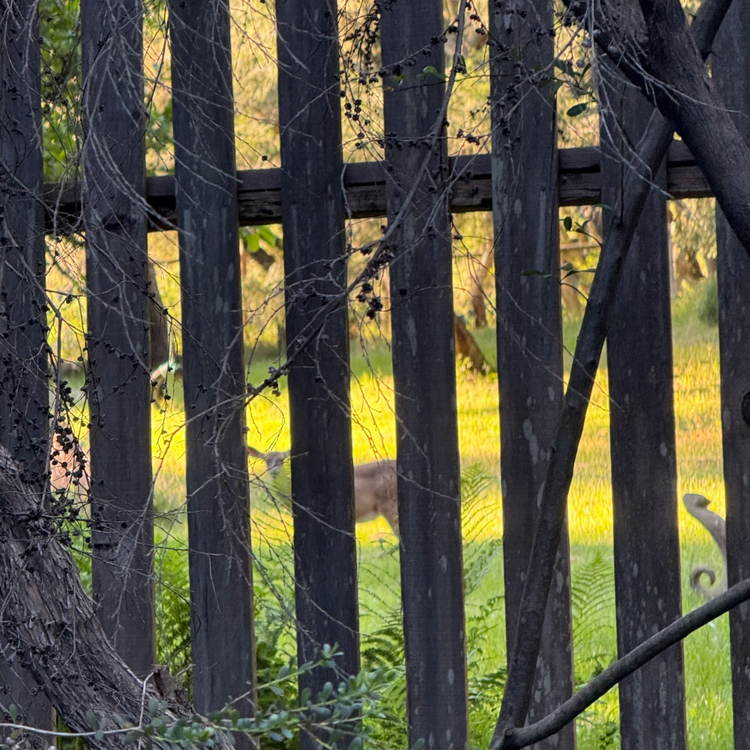
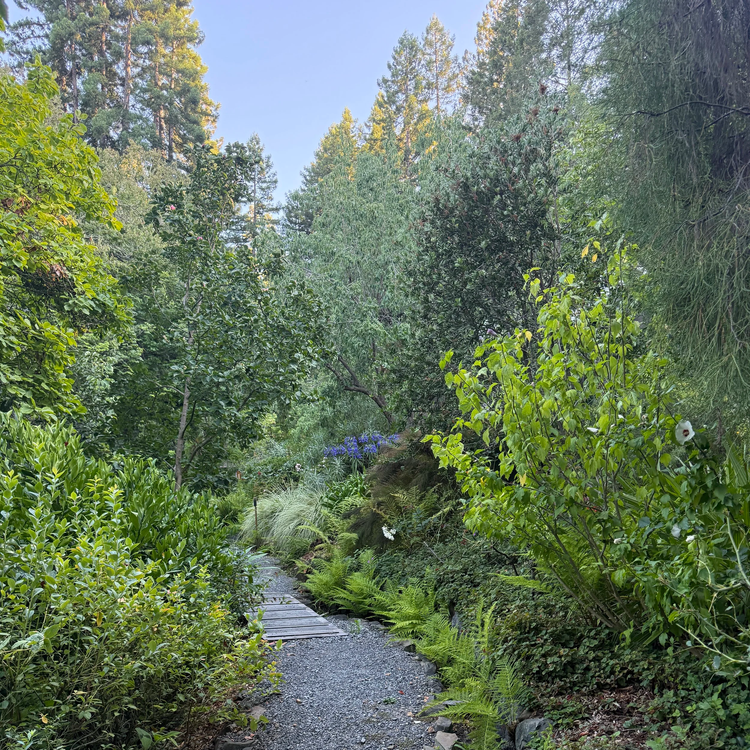
For nearly five years, the deer have been surprisingly polite neighbors. We’d catch glimpses of them at the edge of the redwoods from behind the fence or up in the field on our adjacent property. But they stayed out of the garden and didn’t really register as a concern. This summer, they’ve become a bigger part of our story. Maybe it’s because fence lines have been cleared, or opening up the Australian bed created an easier landing. Perhaps this year's weather changed their habits. Whatever the reason, the deer have discovered that Western Hills Garden has a few things worth nibbling. They’ve had a feast on roses, the geranium maderense, and a dozen or so other plants. They come in the middle of the night or sometimes the early morning and even midday. We’ve seen them jump over the fence in one spot, and still seen evidence after we improved the fenceline there. While it’s been an unsettling experience, it’s also reminded us that the garden is always changing It's tempting to think of our work at Western Hills as a series of problems to solve. Reinforce the fence. Restore the planting. Cross it off the list. But things don't work that way. Every decision is met with a response. We prune a tree, and sunlight changes what grows beneath it. We plant something new, and the birds arrive. We think we've learned the rhythm of a place, and then the deer arrive with other ideas. One of the things we love most about stewarding this place is that just when we think we've solved one challenge, the landscape presents another. It keeps us paying attention. It asks us to adapt, observe more closely, and accept that living in the woods means sharing this place with forces far beyond our control. We’re finding that stewardship is about learning to stay in conversation with a living place.
|
|
That conversation continues this fall. We'll welcome plantsman Sean Hogan for an evening with Jim Salyards–two incredible plantsman talking about what they’ve learned from a life in horticulture, Artist Natalie Joy Tremblay will install a site-specific art exhibit of cyanotype panels made from our plant materials and hung amongst the trees, Tess Taylor will bring a snapshot of her Last West play, and the We Players will be back in the garden for an immersive performance in November. Plus an emerging wonderful lineup of classes and workshops and hands-on experiences.
Each one of these opportunities invites us to see this place a little differently, to notice something we hadn't seen before, and perhaps to leave with a new question of our own. We hope you'll join us.
|
|
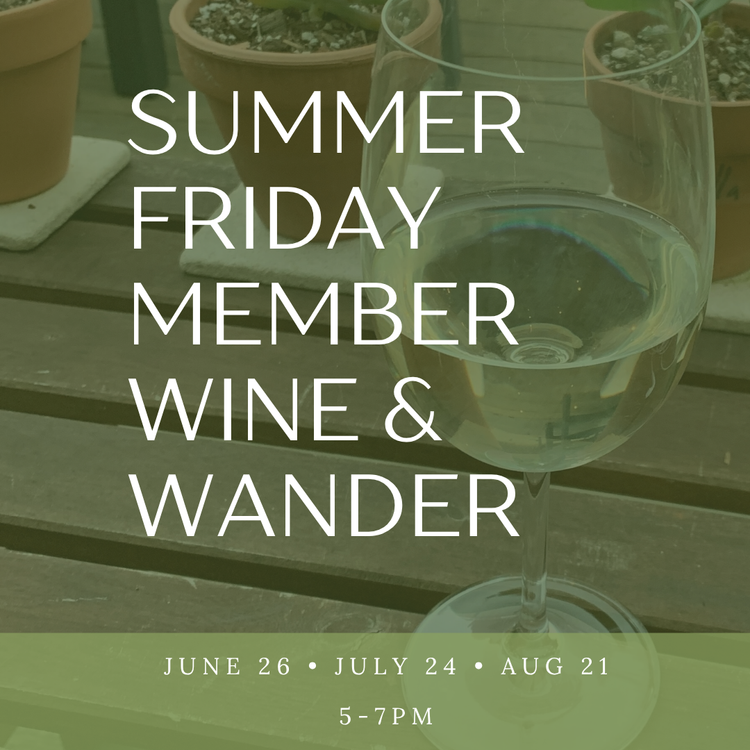
An exclusive, free member gathering featuring local Sonoma County winemakers, a grazing board, garden highlights, community connection, and after-hours access to explore the garden with a glass in hand. Held monthly from 5–7pm. July is sponsored by Alma Fria. Memberships start at $50 annually. Sign up and join us! |
|
|
|

|
Inspired by the beloved Mary Oliver poem, When I Am Among the Trees, Sonoma County artist Natalie Joy Tremblay will create large-scale cyanotype textiles from plant materials gathered at Western Hills Garden that will hang among the trees from 9/18-9/20. Join us for an artist reception on Friday evening (9/18). |
|
|
|
|
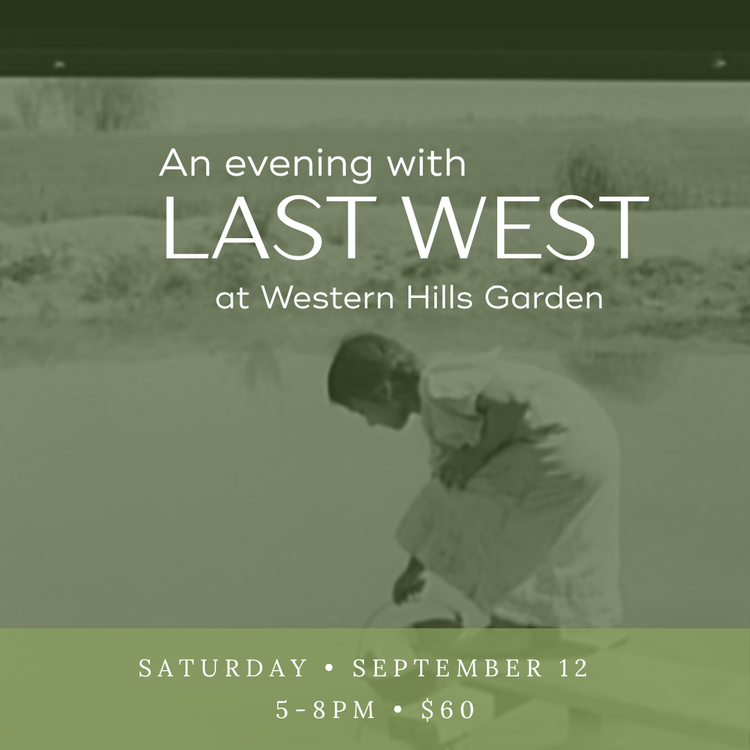
Join poet and playwright Tess Taylor and director Ciera Eis for an intimate evening of readings, conversation, and photographs exploring Dorothea Lange's enduring vision of California. Set in the garden at dusk, this special gathering includes a light supper, and a behind-the-scenes look at a remarkable new work in development. |
|
|
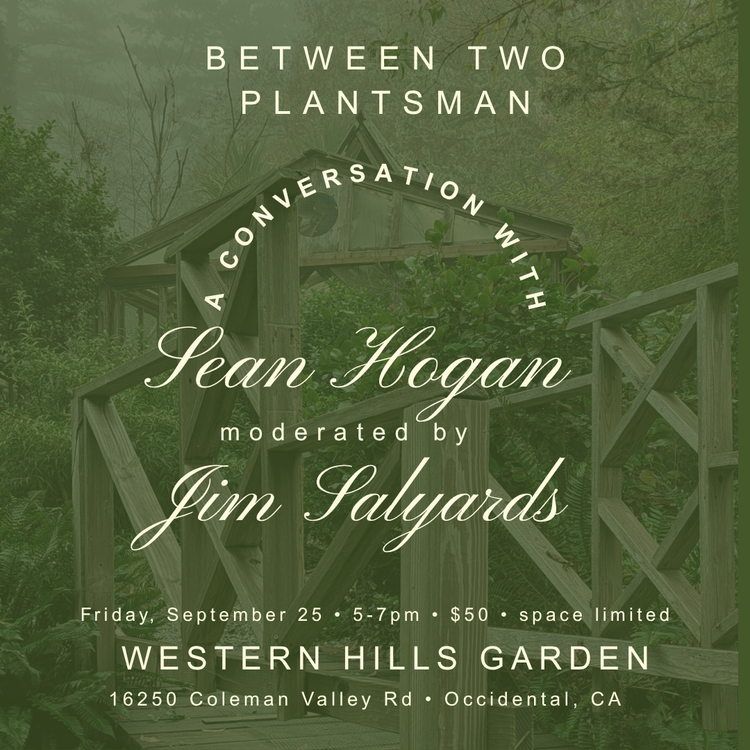
Two of the West's most respected plantsmen come together for an evening of stories, horticulture, and thoughtful conversation. Join Sean Hogan of Cistus Nursery and Jim Salyards of Filoili as they reflect on a lifetime of garden-making and the enduring importance of preserving exceptional gardens and collections. |
|
|
|
|
Curious how to better care for the trees in your own landscape? Join WHG’s Kat Gritt for a practical introduction to tree biology, pruning, planting, and long-term care. Whether you're managing a mature oak or choosing your next tree, you'll leave with greater confidence and appreciation for these remarkable living companions. |
|

|
|
|
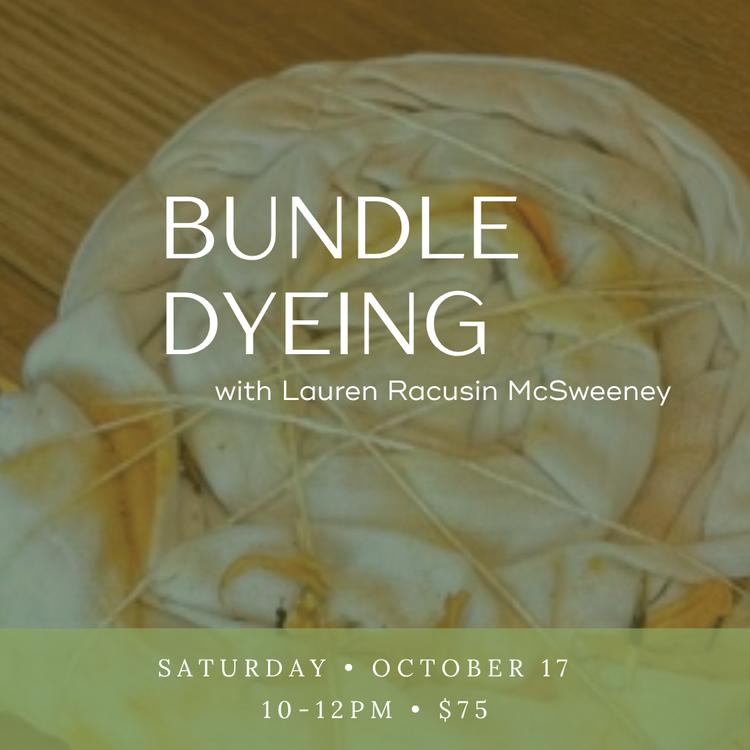
Celebrate the colors of the season by transforming leaves, flowers, and other garden materials into naturally dyed textiles. This hands-on workshop introduces the art of bundle dyeing and encourages a closer look at the remarkable palette found in the landscape around us. |
|
|
|
|
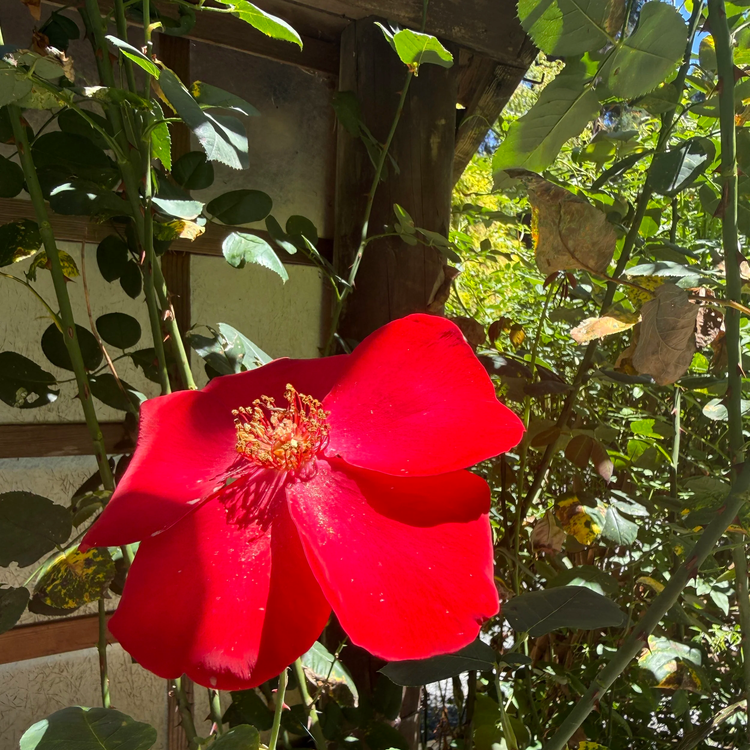
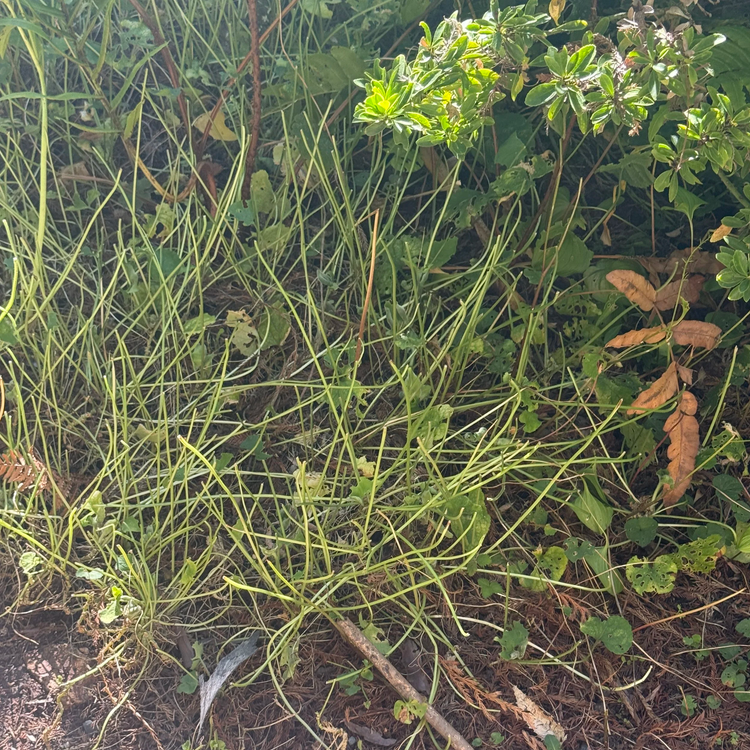
Yeah, so the deer. That was a surprise. We first noticed the strawberry patch had been munched. Then the fatsia. Then all the Geranium maderense, the apple tree, the fuchsia, the ninebark, the buddlejas, the clematis, the chokeberry, the clarkia, etc, etc. And, apparently a dining favorite, the roses. Whomever was responsible was treating Western Hills as a free all-you-can-eat salad bar. We confirmed it was a deer when we spotted the graceful beast in the garden in broad daylight (the audacity!) during Volunteer Day. I thought I was seeing things. I was. A deer. That day we managed to drive it out of the garden, watching helplessly as it trampled the beds in search of an escape point, and eventually magically leaping over our perimeter fence to safety. It didn't get the hint, and came back a few times over the next week. More plant damage. What can you do when you have a seven-foot high perimeter fence that any self-respecting deer can easily hurdle? Kent's idea of attaching vertical ten-foot bamboo poles to the fence in spots seems to be working. But with 1,700 feet of fenceline, we just don't have that much bamboo. It's been a week or so and we haven't noticed any new browsing or fresh scat. The biggest surprise is that all the chomped vegetation is already bursting with new growth. The nibbled nubs are barely perceptible anymore, and the plants almost seem better for it. Perhaps their brush with our herbivorous neighbor wasn't as demoralizing as it was for us. It all made me wonder, what did the plants think of the experience? Did they enjoy it? Another unanswerable question in the mysterious world of gardening.
|
Growing the next generation.
|
|
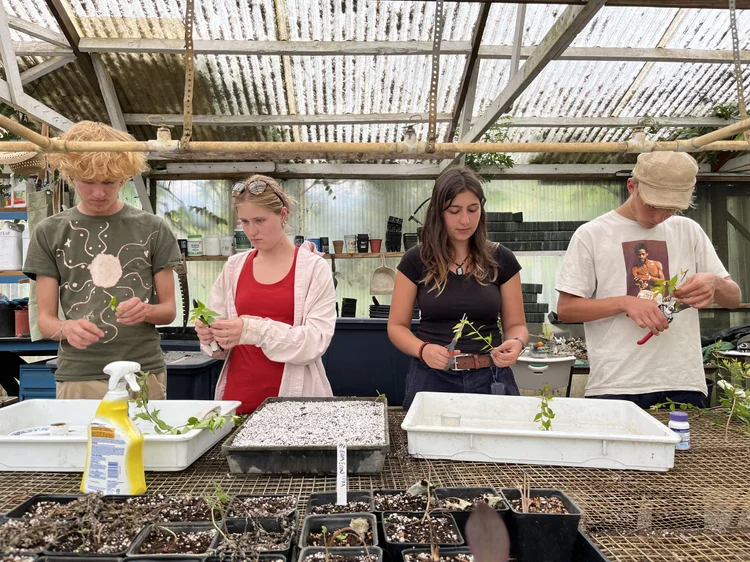
Thanks to everyone who supported our June Emerging Horticultural Leaders campaign. Together, you helped us raise nearly $12,000 to support our 2026 internship program. Pictured below are this summer's cohort learning propagation techniques from our volunteer team: from left to right – Caden Reynolds, Sarah May Holmes, Juliana Dalesio, and Julian Crawmer (who joined us for the final three weeks of the program). Your generosity helps provide meaningful, hands-on experiences like these, while ensuring we can continue offering the program in the years ahead. We’ll open up for Summer 2027 applications in January.
|
Shout out to our firefighters.
|
|
Today was filled with smoke and poor air quality from the Woodside Fire. We are happy to report that, as we send this newsletter, the air has cleared. We're grateful to the firefighters and first responders from Sonoma County and neighboring communities who continue to make steady progress protecting lives, homes, and the landscapes we all cherish. Our thoughts are with everyone affected, and we're thankful for the extraordinary skill, courage, and commitment of those working on the front lines.
|
|
One final community shout-out. We're excited to see the inaugural Occidental Jazz Festival, hosted by the Occidental Center for the Arts, take shape this September. Western Hills Garden is delighted to host several of the festival's musicians during the weekend and to play a small part in this exciting new community tradition. We hope you'll join us in supporting the festival. Here's to a fantastic first year—and many more to come.
|
|
|
|