a moment and a lifetime ͏ ͏ ͏ ͏ ͏ ͏ ͏ ͏ ͏ ͏ ͏ ͏ ͏ ͏ ͏ ͏ ͏ ͏ ͏ ͏ ͏ ͏ ͏ ͏ ͏ ͏ ͏ ͏ ͏ ͏ ͏ ͏ ͏ ͏ ͏ ͏ ͏ ͏ ͏ ͏ ͏ ͏ ͏ ͏ ͏ ͏ ͏ ͏ ͏ ͏ ͏ ͏ ͏ ͏ ͏ ͏ ͏ ͏ ͏ ͏ ͏ ͏ ͏ ͏ ͏ ͏ ͏ ͏ ͏ ͏ ͏ ͏ ͏ ͏ ͏ ͏ ͏ ͏ ͏ ͏ ͏ ͏ ͏ ͏ ͏ ͏ ͏ ͏ ͏ ͏ ͏ ͏ ͏ ͏ ͏ ͏ ͏ ͏ ͏ ͏ ͏ ͏ ͏ ͏ ͏ ͏ ͏ ͏ ͏ ͏ ͏ ͏ ͏ ͏ ͏ ͏ ͏ ͏ ͏ ͏ ͏ ͏ ͏ ͏ ͏ ͏ ͏ ͏ ͏ ͏ ͏ ͏ ͏ ͏ ͏ ͏ ͏ ͏ ͏ ͏ ͏ ͏ ͏ ͏ ͏ ͏ ͏ ͏ ͏ ͏ ͏ ͏ ͏ ͏ ͏ ͏ ͏ ͏ ͏ ͏ ͏ ͏ ͏ ͏ ͏ ͏ ͏ ͏ ͏ ͏ ͏ ͏ ͏ ͏ ͏ ͏ ͏ ͏ ͏ ͏ ͏ ͏ ͏ ͏ ͏ ͏ ͏ ͏ ͏ ͏ ͏ ͏ ͏ ͏ ͏ ͏ ͏ ͏ ͏ ͏ ͏ ͏ ͏ ͏ ͏ ͏ ͏ ͏ ͏ ͏ ͏ ͏ ͏ ͏ ͏ ͏ ͏ ͏ ͏ ͏ ͏ ͏ ͏ ͏ ͏ ͏ ͏ ͏ ͏ ͏ ͏ ͏ ͏ ͏ ͏ ͏ ͏ ͏ ͏ ͏ ͏ ͏ ͏ ͏ ͏ ͏ ͏ ͏ ͏ ͏ ͏ ͏ ͏ ͏ ͏
Western Hills Garden

News from the Garden

Issue 43 I June 2026


A moment and a lifetime.


We’re still processing what happened in June.

It was a busy month. We welcomed members for our first Wine & Wander evening, watched beautiful cyanotypes emerge from leaves and flowers, celebrated our volunteers around a swimming pool, deepened friendships with members and visitors, and watched our Emerging Horticultural Leaders become even more confident in the garden. Oh, and we rubbed elbows with folks from public gardens across North America.

Each moment was meaningful. Together, they felt like a turning point.

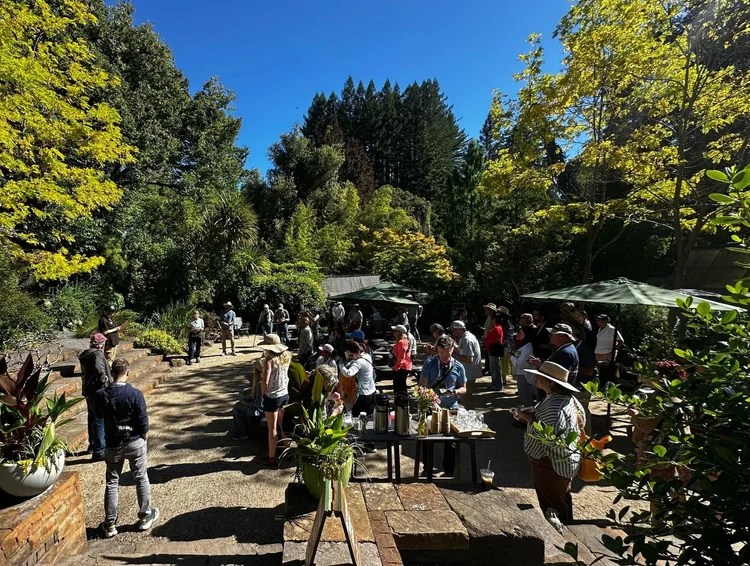
San Francisco was the site for the American Public Gardens Association national conference ithis year, bringing together public garden professionals from across North America. Justin gave two presentations, Kat attended with a coveted Garden Scholar award, and I joined my first Director’s Summit. Then, on Friday morning, a bus carrying fifty-five colleagues pulled into Occidental for a visit to Western Hills Garden.

It was thrilling. And a bit daunting.

We put out coffee and tea, picked up some of the famous Freestone Wild Flour bread, and set out a wonderful jar of jam left behind the week before by a board member visiting from Miller Botanical Garden.

I welcomed everyone and shared a bit about about our vision, Kat told the story of the garden’s remarkable past, and Justin oriented everyone to the grounds. Then everyone dispersed into the garden to wander the paths.

I found myself sitting with a couple of folks in the Commons while the rest were meandering. It was quiet, which was surprising given the number of people onsite. I took that as a good sign.

When we rang the bell to reconvene, Betsy Flack, one of our esteemed Horticultural Advisory Committee members, said a few words about what this place once was, what it is carrying on today, and what it is turning into. 

It was an affirming moment.

During the conference, I occasionally found myself wondering if we were taking on a project that was too new, too under-resourced, and perhaps too ambitious. The larger, more established gardens have decades of institutional knowledge, deep teams, and remarkable collections. I found myself marveling at what time, commitment, and deep support can make possible.

But I also came home with a renewed appreciation for being small and scrappy. It gives us the freedom to experiment, to learn by doing, and to change course when we need to. Beginner’s mindset has always been a touchstone for this place. We continue that tradition.

At the end of the day, we are excited about what we're creating. A place where horticulture, art, education, and community come together in ways that are intentionally rooted in this landscape.

Sometimes a month is just a month.
And sometimes it's a glimpse of what's possible.

Justin’s Hort Report.


It was the first week of June when our interns arrived. We had ten days until a bus load of horticulture experts and garden enthusiasts from all over America would descend upon our little West County oasis, with floral-print shirts and discerning eyes, no doubt looking for some bit of vegetative inspiration to take home with them. I was not about to let them go home disappointed. You see, we had set the APGA tour as a deadline to finish two major rehab projects in the garden: the Natives Mound and the Australians. And that deadline was fast approaching.

That first week our interns may have been expecting a classroom lesson on vegetative propagation, or a tour of our impressive Mediterranean collection. Instead I gave them each a shovel and a wheelbarrow and told them to meet me in the driveway, just as a dump truck dropped five yards of 3/8 inch Sonoma tan gravel by the entrance. They never complained (within earshot) and together we (OK, mostly they) moved and spread all that rock to form the gravel mulch in our newly redesigned "Natives Mound." It was the finishing touch on that project. Check!

The next day the interns again grabbed their wheelbarrows, swapped their shovels for pitchforks, and sheet-mulched the entirety of our newly designed Australians garden. Now, both our new Natives Mound and Australians areas were completed, or at least looked good enough not to raise an eyebrow (or so I hoped). 

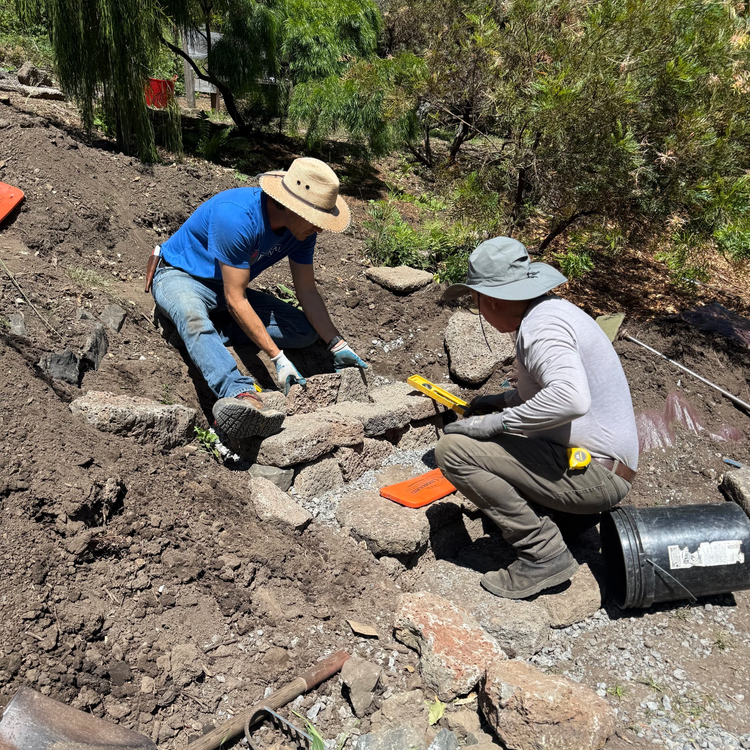
When the tour had finally come and gone and the dust settled, we all breathed a big sigh of relief. There were many folks involved in those two projects, the interns being just the final ones. From our Horticulture Advisory Committee fleshing out conceptual plans, to our volunteers weeding and removing plants, to our staff grading and planting, it was truly a team effort. When I needed help figuring out the staircase, Anthony spent the day with me moving rock into place. When I needed help with selecting native plants, Merel, Kat, and Nicole jumped in. We made the deadline, but more importantly, we made something beautiful, together. 

As June comes to a close.


Today is the final day of our campaign supporting the Emerging Horticultural Leaders Program.

If you’ve been following along on Instagram you’ve seem them hard at work, learning, asking thoughtful questions, and becoming part of the daily life of the garden.

If you've been considering a contribution to this program, now is the time. You’ill directly support this year's interns and help ensure that future emerging horticultural leaders have the same opportunity to learn, grow, and discover professional pathways.

Thank you for helping cultivate the next generation.

 MAKE A GIFT 

Plan ahead.


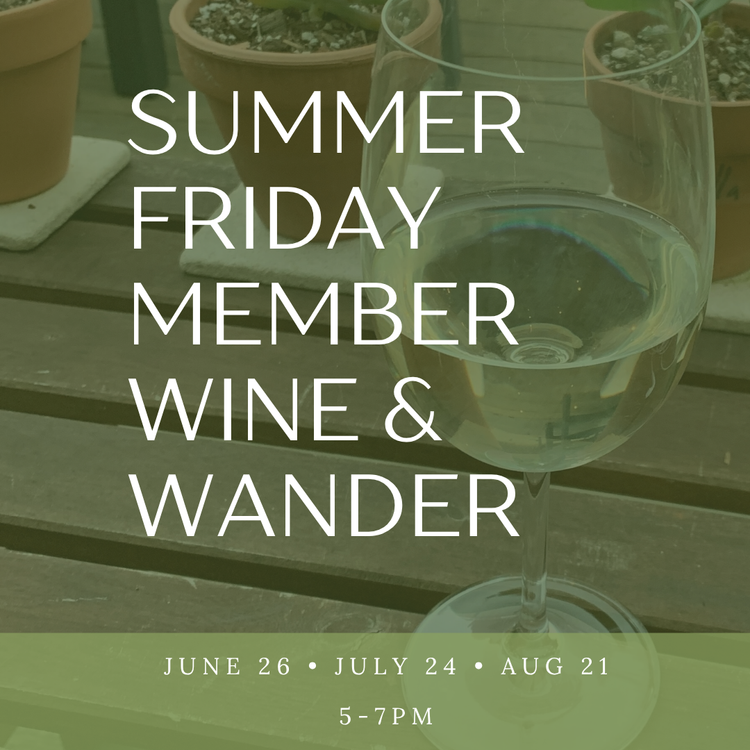
An exclusive, free member gathering featuring local Sonoma County winemakers, a grazing board, garden highlights, community connection, and after-hours access to explore the garden with a glass in hand. Held monthly from 5–7pm. July is sponsored by Alma Fria. Memberships start at $50 annually. Sign up and join us!

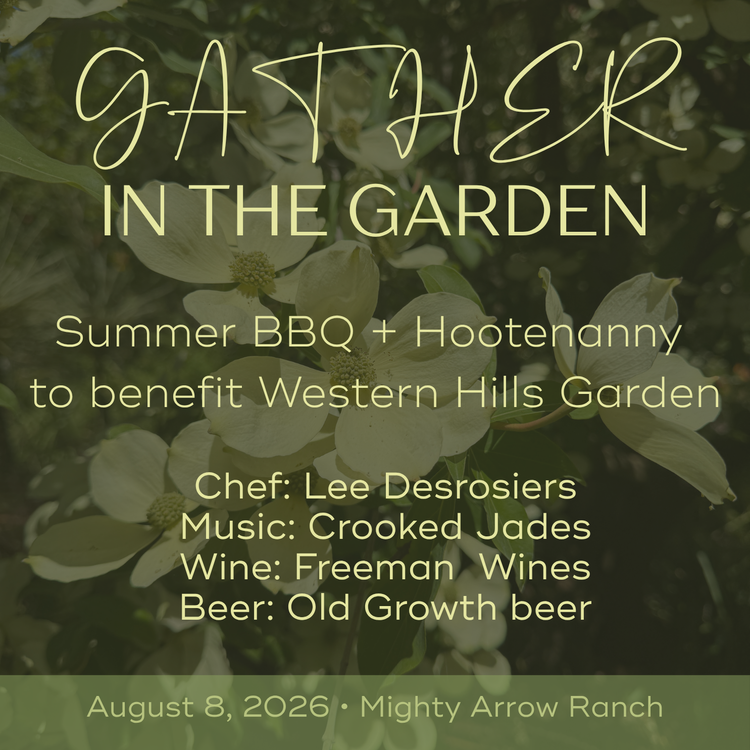
Only a few spots are left for our summer BBQ & Hootenanny fundraiser at Mighty Arrow Ranch. We highly recommend you get tickets soon if you’re planning to join us. Learn more and sign up here. It’s going to be a hoot!


Shout out to Rose Roberts & Alchemia


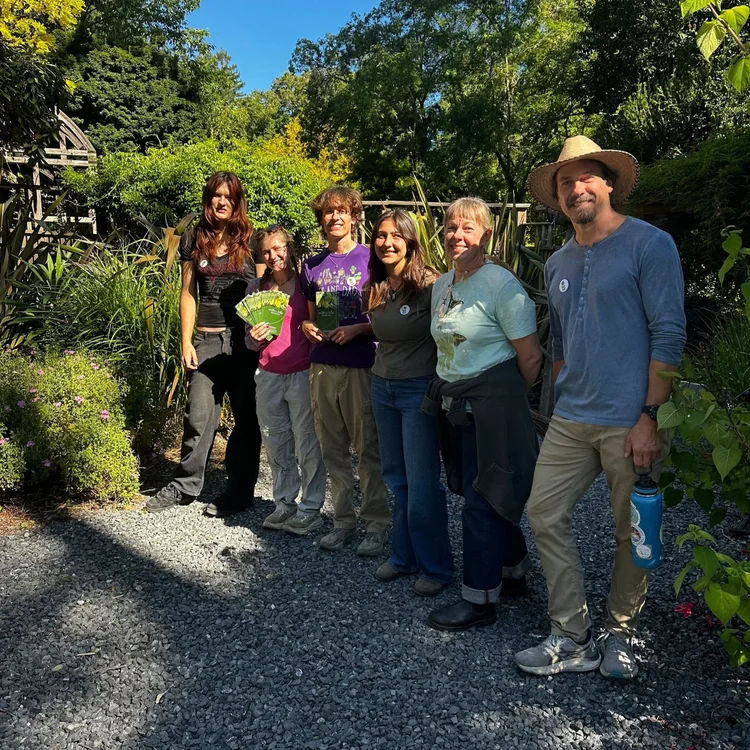
We’re not just training next gen hort leaders, we’re helping develop new nonprofit leaders as well. For the past three months, Rose Roberts has worked as our Programs & Outreach intern. As she wraps up the first phase of her internship and transitions into the next, we'd like to thank her for the many ways she has helped strengthen Western Hills Garden's connections to our community.

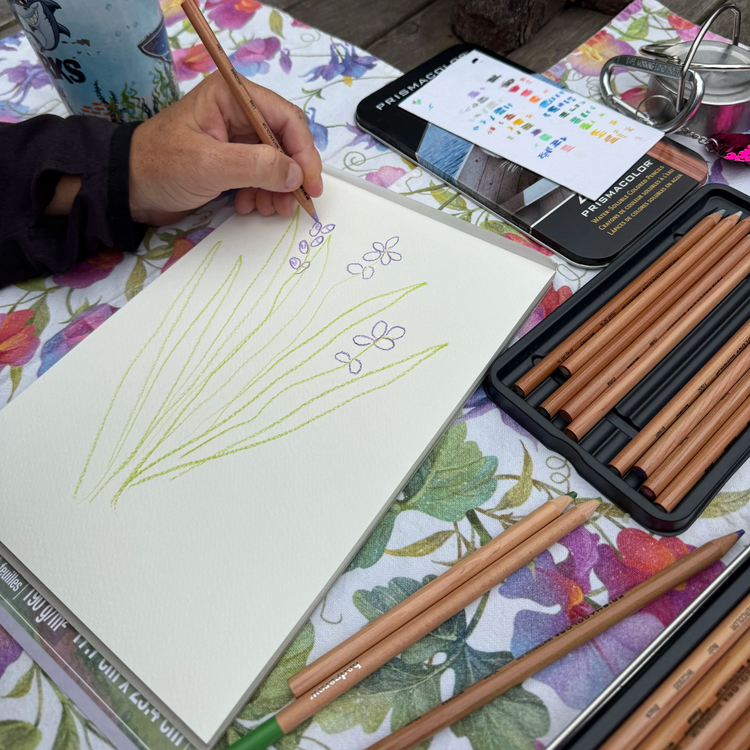
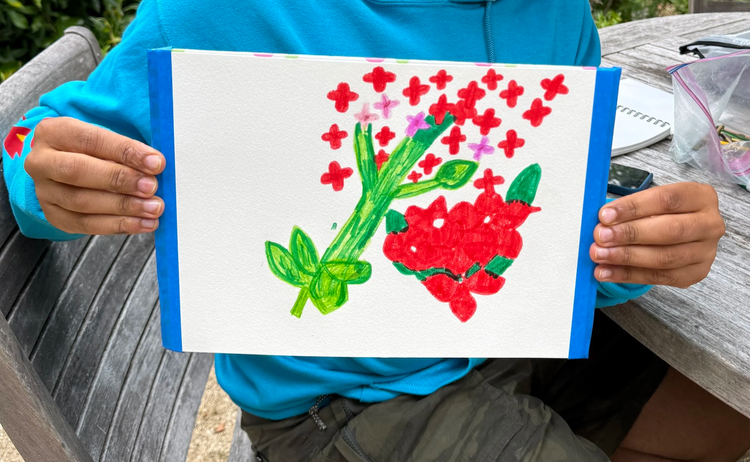
Through her diligent outreach, we've built new relationships with local schools, nonprofits, and other organizations, including Alchemia, whose staff and drawing class students spent several wonderful hours in the garden this month. We hope it will become a regular part of their programming.

We love discovering new ways the garden can serve our community. If you have an idea for a partnership, we'd be delighted to hear from you. Send an email to [email protected] and share your thoughts!

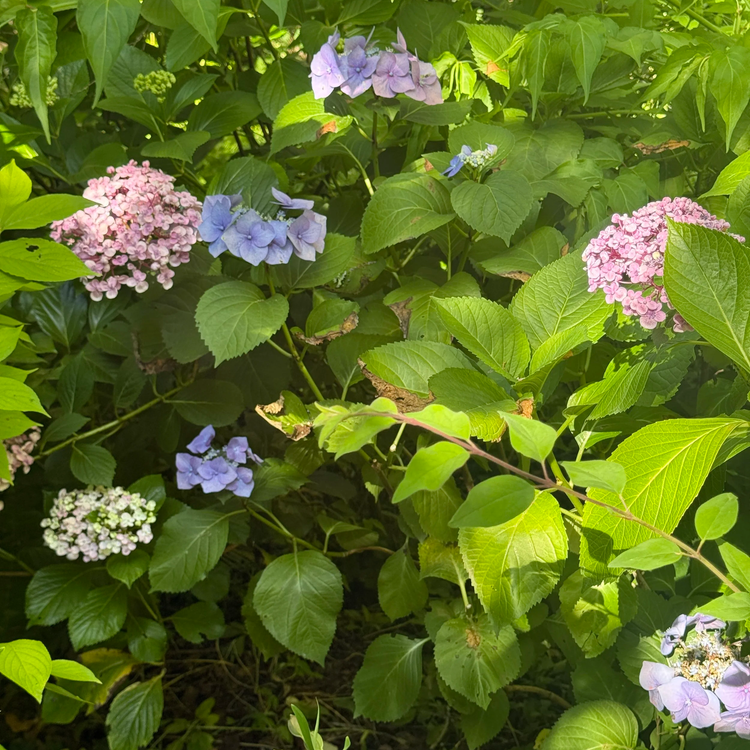
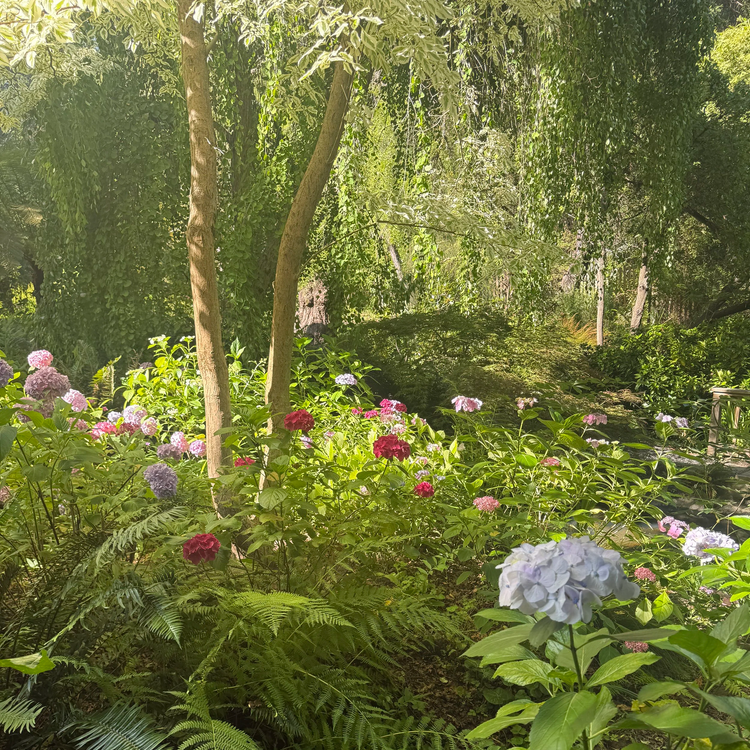
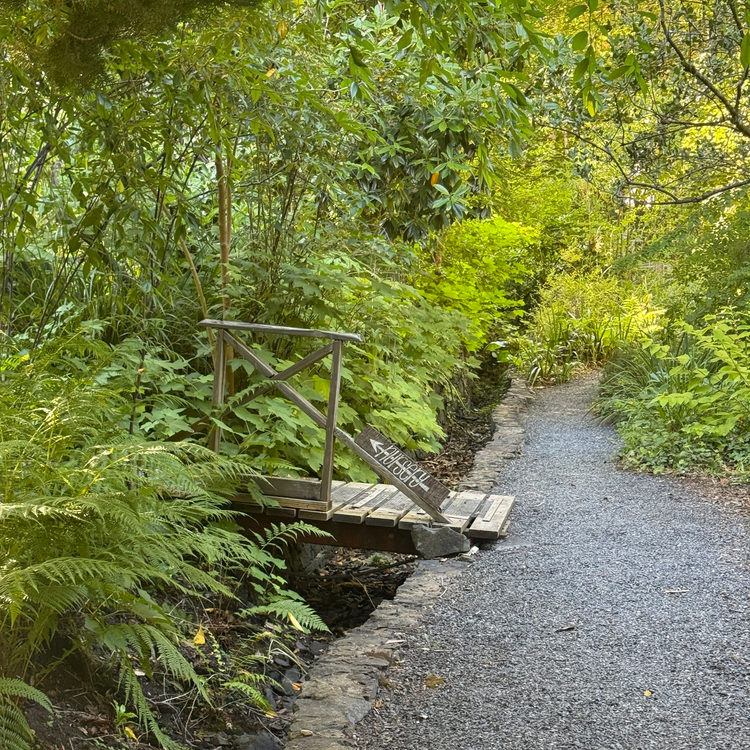
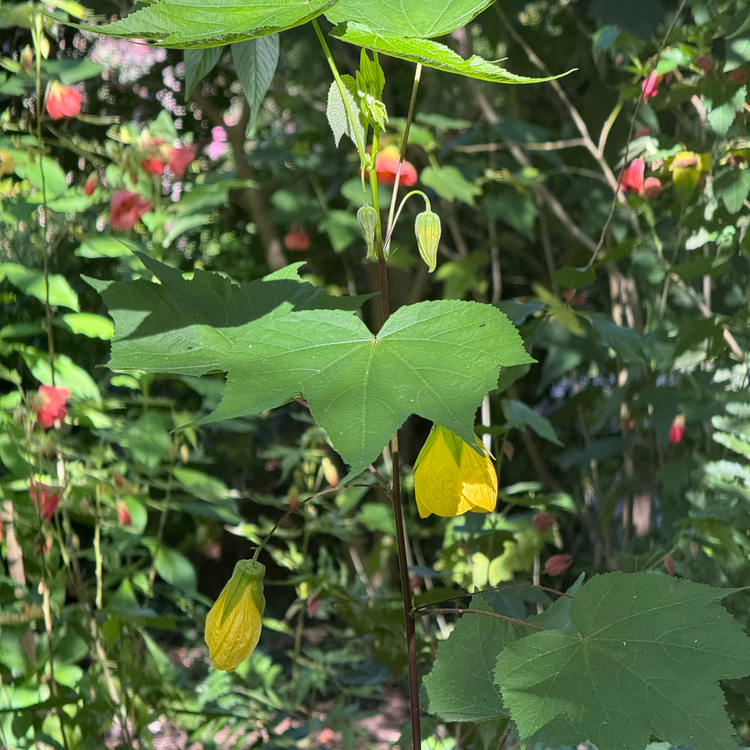
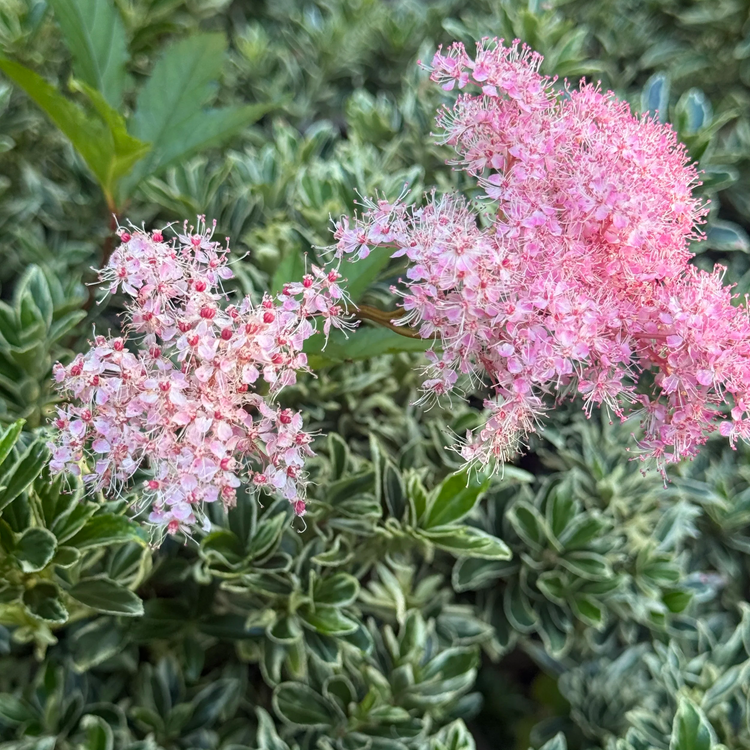
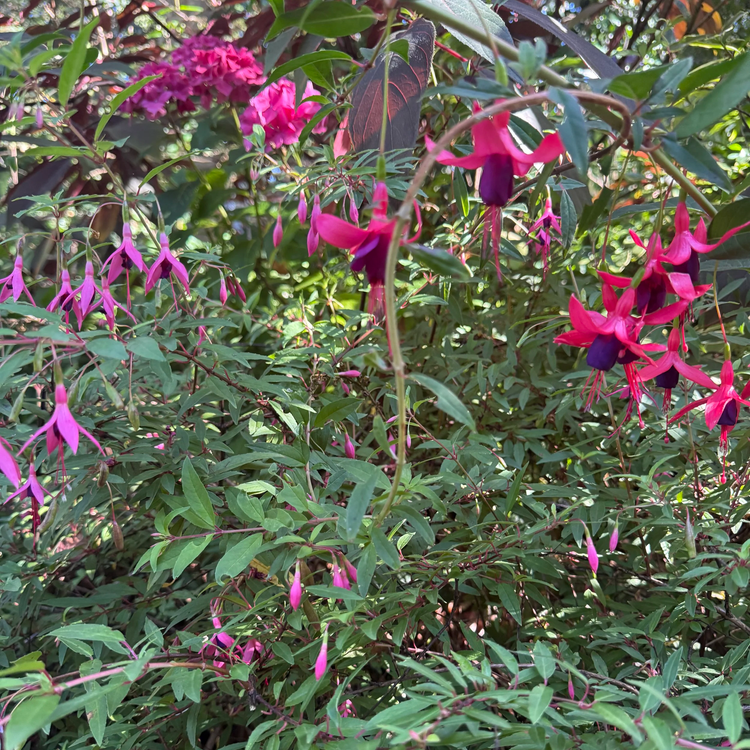
Seasonal snaps.

 
 COME VISIT 
Western Hills Garden

If you’re receiving this newsletter, you opted into emails, attended a program, are a donor or member, or were on a list shared with us by the previous owners.

[email protected]

16250 Coleman Valley Road, Occidental, CA 95465, United States

Unsubscribe