Our impact.
Western Hills Garden has a long history of serving the community, building knowledge, and sharing ideas, big and small.
In 2022, for the first time in its 60+ year history, it began to operate as a nonprofit.
The intention is to preserve and steward this historically important garden property, present pubic opportunities to connect, learn, and grow, and encourage new ideas to take root.
The last four years have been highly generative. Scroll down to read some of our impact stories.
School-based Field Experiences
In 2025, we launched our school-based programming with five different schools, both elementary and secondary, public and private. Students learned about plant and leaf identification, compost management, biodiversity principles, botany, bridge construction, and spent time reflecting in the garden. We will expand this focus in 2026 with the goal to raise funds to underwrite the opportunity for Title I schools.
Artists in Residence
Providing time and space to focus on a personal or creative project is a gift we are thrilled to offer.
We’re just dipping into this more formally. We’ve had a number of teaching artists stay overnight before their classes, and several people stay onsite to focus on writing projects, new bodies of visual work, or performing arts pieces.
We look forward to expanding this program in 2026.
Summer Camp
The garden is an incredible place to learn through play. In August 2025 we partnered with the Occidental local clay studio, Clayfolk, to offer two weeks of clay and play summer camp at Western Hills Garden. The pilot was successful and we anticipate offering four one-week sessions in Summer 2026.
Emerging Horticultural Leaders
One of our priorities is to build the pool of next gen talent in the horticultural field. In 2024 we piloted a summer internship program that has since evolved into our Emerging Horticultural Leaders initiative. For three months each summer, we host 2-3 young adults interested in a career in gardening and horticulture for an immersive experience working full-time on WHG projects, visiting other botanical gardens in the area, and completing a capstone project in a particular area of interest.
Programming
Over the past four years we have presented dozens of classes, workshops, and special experiences for our visitors. These range from aesthetic pruning and compost management to cyanotype, basketmaking, and drawing with natural objects. We also curate intimate gatherings around exhibits such as We Player’s Our Lady of the Moon.
Day Visitors
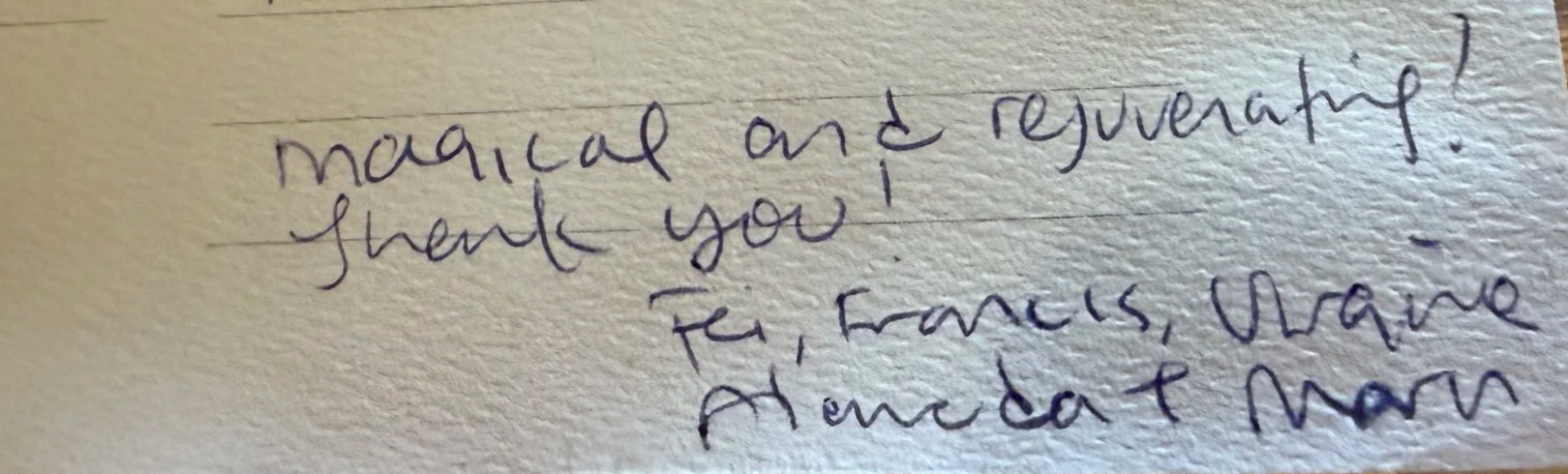
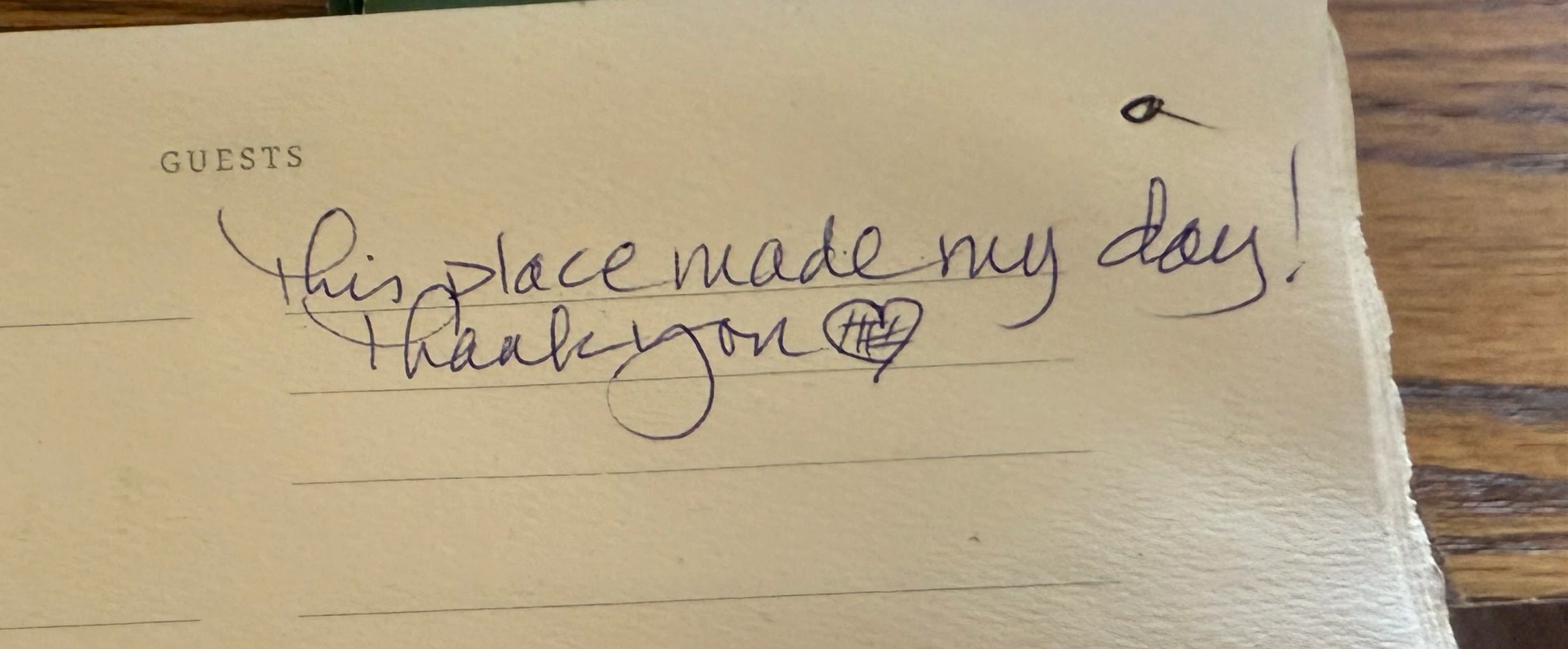
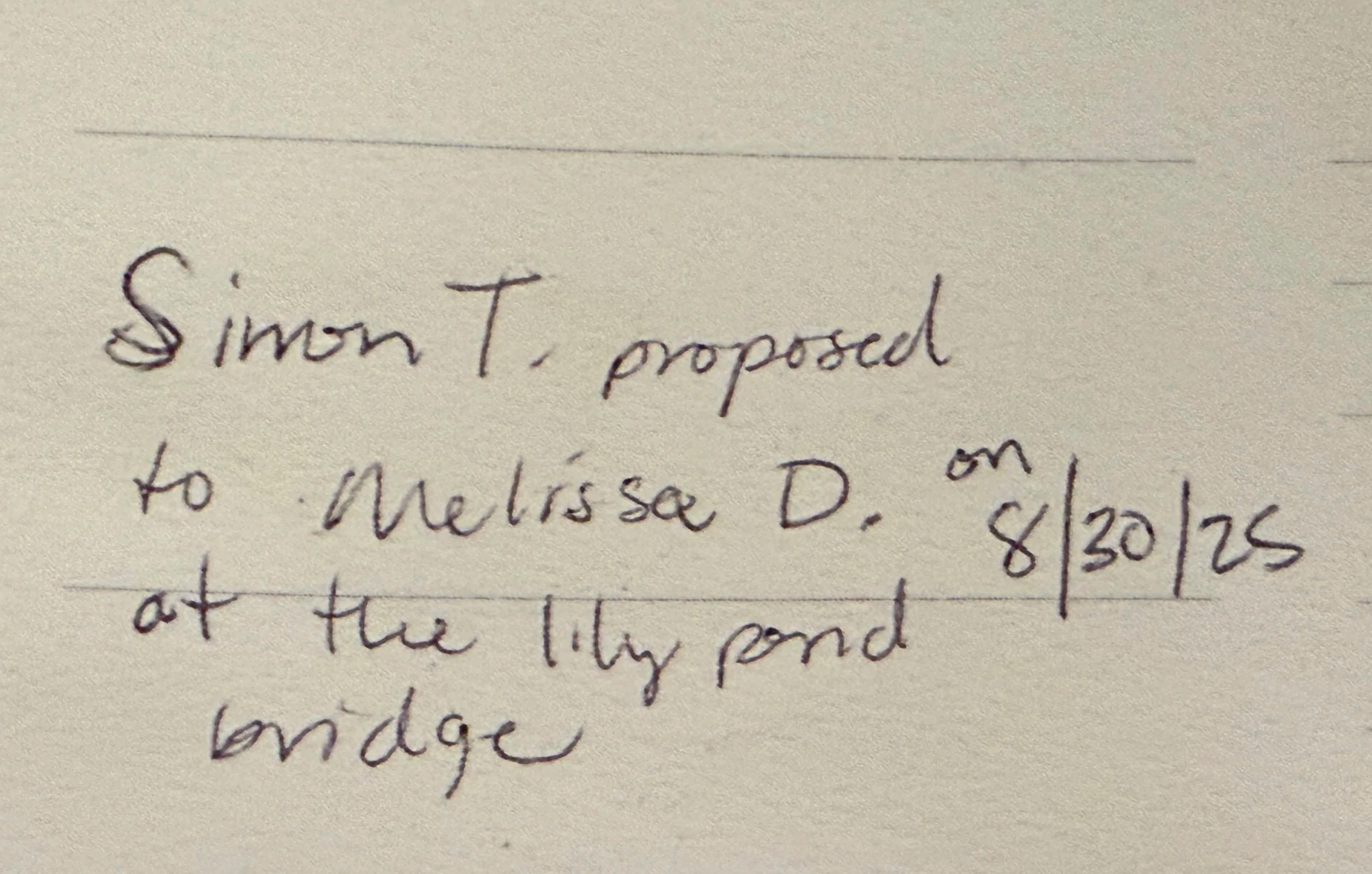
The garden is open for visitors on Saturday and Sunday from 10-4pm and during the week by appointment. In 2025, we tripled the number of people who spent time in the garden. In 2026, we look forward to ongoing improvements in our visitor experience including more plant signage, small exhibits in the barn, and new ways to interact with the collection.
Horticultural Advisory Committee
We were thrilled to convene an esteemed horticultural advisory committee in 2025 to help us craft our curatorial vision and collections policy. This group meets several times a year to discuss the state of the garden, advise on specific projects, and have fun. We are humbled by the professional expertise and talent of this group. Learn more here.
Community Partnerships
We served as a resource for a number of community partners, hosting annual meetings, staff planning sessions, and learning opportunities. We also worked closely with the Sebastopol Center for the Arts, hosting their Incubator Artists for Art at the Source, offering them a place to exhibit their work publiclly.
Tours + Talks
We continue to offer tours to garden clubs, senior centers, business leaders, and visitors interested in a deeper dive into the history and horticulture of this special place. We give talks about the garden and its story for a number of different community centers and regional groups.